A plumbing inspection for a mobile or manufactured home walks the water, drain and gas connections from the lot to the fixtures, looking for leaks, worn parts and code problems. Guides price a basic visual inspection at about $100 to $250. Anything touching gas piping is regulated, so read working with a gas plumber first. A visit can be requested through the quote form at the bottom.
What does an inspector look at under and around a mobile home?
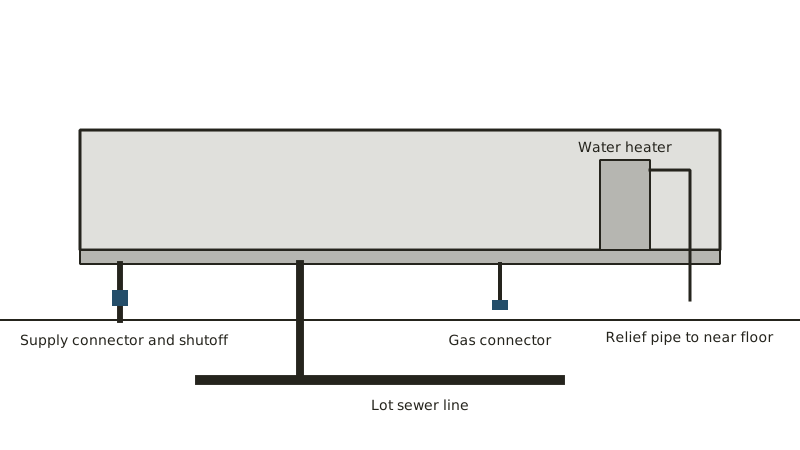
Expect the plumber to examine the supply connector and its shutoff, the drain hookup to the lot sewer, the water heater and its T&P relief pipe, the gas connector and meter access, and every fixture. State park inspectors work from a comparable list, so a plumber's visit lets you find trouble before they do.
The state housing department's resident booklet (HCD MP 200) describes the plumbing items checked on a unit, including these:
- Water supply connector. It should be leak-free, made of a flexible material approved for drinking water, with a shutoff valve on the unit.
- Sewer drain. It must be gas-tight and leak-free, sloped, supported at regular intervals, built of approved plastic drain pipe, and joined to the lot inlet with a flexible connector.
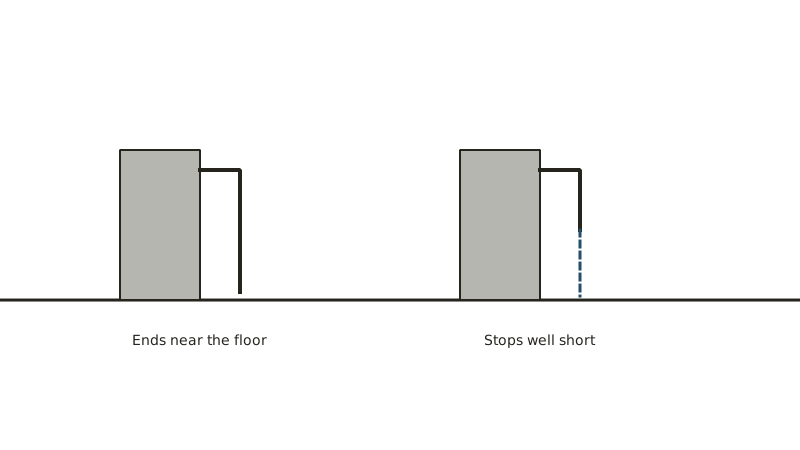
- Water heater. It should vent to the outside, have clear access, a weather-tight compartment, working relief valve piping that extends below the floor, and enough combustion air for gas models.
- Gas. The meter regulator and shutoff must be accessible, and the unit should connect with a single approved flexible connector.
- Fixtures. Leaking fixtures count as a plumbing violation.
A plumber will also check what the booklet cannot see from a distance: wet insulation under the belly, soft floors near the tub, and the type and age of the pipe inside walls.
Who requires a permit, and who enforces the rules?
Park inspections and work on the unit are handled by an enforcement agency, which is the state housing department in most California parks and a city or county in some. The HCD booklet says installing or altering plumbing or gas equipment needs a permit from that agency. Ask your park or the state office which one covers you.
This is a point where mobile homes differ from houses. For an ordinary Long Beach house, the City's Building and Safety office is where plumbing permits come from. A mobilehome or manufactured home usually gets its permit from the state department, or from the local agency where it has taken over enforcement, so do not assume the City counter covers you. The booklet also says permanently installed water filtration or conditioning equipment needs a permit, which affects a softener.
Work done without a permit can be a problem at the next park inspection. The state booklet encourages owners to get permits for earlier unpermitted changes before the inspection to avoid possible penalties. The plumber can sort out which planned repairs need one.
What problems turn up most often?
Common findings are leaking supply connectors, rusted or leaking drain fittings, a relief valve pipe that stops short of the floor, worn flexible gas connectors, water damage under sinks, and old polybutylene water pipe. Frozen lines are less of a concern in Long Beach than in cold climates, but exposed lines still need protection.
Polybutylene deserves its own attention. It was installed widely in homes built from about 1978 to the late 1990s, and chlorinated water can degrade it from the inside, so it can fail with no warning. If your unit dates from those years, have the plumber look for flexible plastic pipe, gray in most cases, or sometimes blue or black. Our page on polybutylene replacement covers the repipe options, and the repipe guide the wider process.
Belly insulation and the underside matter too. A slow leak under a manufactured home can soak insulation and rot the floor before any stain shows upstairs. An inspection includes a look underneath when access is available.
How much does the inspection cost?
In the guides, a whole-house plumbing inspection lands near $100 to $500: visual checks at the low end, camera scopes higher. A mobile home plumbing check on its own is often quoted at $100 to $250, while a complete mobile home inspection costs more, near $200 to $600. Those are outside figures, never our quote.
The price rises with extras. A camera scope of the sewer line, which a plain visual check does not include, costs more. Access also matters: a skirted unit with a crawl hatch is quicker than a unit that boxes in its belly. The plumber inspection cost page explains the options in detail, and typical repair prices afterward are in the plumber cost guide.
Should polybutylene turn up, one guide budgets a full replumb in PEX at roughly three to eight thousand dollars for a mobile home. Treat that as a planning number and get a written estimate.
Should I inspect before buying, selling or renewing a park lease?
Yes if you are buying, since a general home inspection may not cover the sewer line, and plumbing is a common hidden cost. Sellers benefit too, because a clean report answers questions. Park residents can use an inspection to prepare before a park-wide maintenance inspection and fix items on their own lot.
For a purchase, ask for the inspection before you commit, and study the heater, crawl beneath the skirting if you can, and ask how old the pipe is. Insurers may ask about polybutylene, so file the report. Other services we arrange around Long Beach appear on the home page.
One safety rule for gas: any odor means walking outside before you call. Long Beach Energy Resources (562-570-2140) supplies Long Beach and Signal Hill, SoCalGas (1-800-427-2200) supplies neighboring areas, and 911 covers anyone in danger. Your bill names the utility, and a mobile home park may have its own master meter, so the park office is worth a call too.
Common questions
What is the duration of the visit?
A visual inspection of a mobile home usually takes about an hour, a little longer if the underside is hard to reach or a camera scope is added. The plumber can explain what was found on the spot and follow with a written note listing repairs and their urgency.
Which questions are worth asking beforehand?
Find out what the inspection covers, whether the sewer line is scoped, and whether a report is handed over in writing. Verify the contractor on the state licensing board, and ask about experience with manufactured homes and park rules. Agree the price in writing.
Must I be present?
Yes. An adult should unlock the home and the skirting hatch, show where the heater and shutoffs are, and answer questions. Empty the sink cabinets and clear the space near the heater, then mention any leaks, odd smells or weak pressure you have noticed.
Is it the park or the owner who pays for repairs?
That turns on where the fault sits. Typically the owner handles plumbing inside and beneath the unit, and the park handles its own lot-side lines, but leases and rules vary. Read your lease, and ask the park office before repairs that involve the lot connection or the gas meter.
References
- California Department of Housing and Community Development, Mobilehome Park Maintenance Inspection Resident Information Booklet (HCD MP 200)
- City of Long Beach, plumbing permit requirements
- Long Beach Energy Resources (Long Beach Utilities), gas
- Published plumbing inspection and mobile home inspection cost guides, checked November 2026
Updated